Pixel Nether Portal Gamer Clipart: Graphics for T-Shirt Designs
As a digital publisher who has spent years refining the visual identity of high-traffic blogs and editorial platforms, I approach every new graphic design asset with a critical eye. It is not enough for an image to be cute or trendy; it must perform. It needs to hold its own in a crowded social feed, maintain clarity on a retina display, and align seamlessly with the broader narrative of the content it supports. Recently, I integrated Pixel Nether Portal Gamer Clipart into a test workflow for a gaming lifestyle vertical, and the results offered valuable insights into how retro-inspired visuals can drive engagement in modern web design.
The Editorial Mood and First Impressions
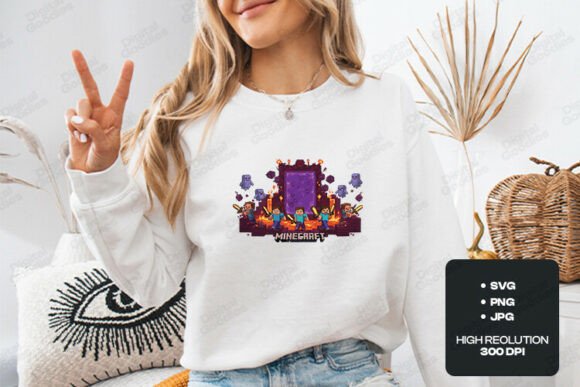
The first thing that strikes you about this collection is its unapologetic nostalgia. We are not looking at sleek, vector-based minimalism here. Instead, we see a deliberate embrace of the 8-bit aesthetic. The scene features brave pixel warriors standing before a fiery, swirling portal, flanked by spooky ghost characters and molten lava elements. This creates an immediate editorial mood that is playful, bold, and deeply immersive.
For content creators targeting the gaming niche, this visual language speaks directly to the audience’s core memories. It feels less like a corporate stock photo and more like a piece of fan art that has been polished for professional use. When placed against a clean, white background in a blog layout, it commands attention without feeling chaotic. The high contrast between the dark portal depths and the bright pixel characters ensures that the focal point remains clear, which is crucial for maintaining visual hierarchy in busy article headers.
Strategic Applications in Content Publishing
While the product description highlights its utility for T-Shirt Designs, my review focuses on its versatility for digital publishing. Here is how I deployed these assets across a real content ecosystem:
- Pinterest Pins: The vertical composition possibilities are excellent. By stacking the portal graphic above bold, sans-serif typography, I created pins that stood out in a sea of lifestyle photography. The pixel art style acts as a pattern interrupt, causing users to pause while scrolling.
- Newsletter Banners: Email clients can be notoriously difficult for rendering complex images. However, these Graphics are simple enough to load quickly while still providing a vibrant header that sets the tone for weekly gaming news roundups.
- Digital Guides and Lead Magnets: I used the warrior and ghost characters as accent icons in a downloadable PDF guide about retro gaming history. This broke up walls of text and made the digital product feel more premium and thoughtfully designed.
- Social Media Graphics: For Instagram carousels, the individual elements (like the lava blocks or the portal frame) served as perfect background textures when lowered in opacity, allowing text to remain readable while adding thematic depth.
Enhancing Brand Identity and Reader Trust
Consistency is the cornerstone of small business branding. Using a cohesive set of design assets helps readers recognize your content instantly. When I replaced generic screenshots with Pixel Nether Portal Gamer Clipart in category thumbnails, the site felt more curated. This level of polish builds reader trust. It signals that the publisher cares about the user experience, which indirectly boosts credibility for any affiliate marketing links or sponsored content present on the page.
Furthermore, the asset supports better click-through potential. A website header that promises adventure and fun is more likely to attract clicks from a younger demographic than a sterile, text-only banner. The emotional connection triggered by retro gaming imagery can lower bounce rates, encouraging visitors to explore further.
Where to Use It Carefully
Despite its strengths, this asset is not a universal solution. As an experienced designer, I advise caution in the following areas:
- Small Mobile Thumbnails: Pixel art relies on specific block structures. If scaled down too small for mobile RSS feeds, the details can blur or become indistinguishable noise. Always test your blog graphics at 150px width to ensure the warrior’s sword or the ghost’s eyes remain visible.
- Text-Heavy Layouts: Do not place body text directly over the busy lava or portal sections. The high contrast and detailed patterns will fight with the letters, ruining readability. Use solid color overlays or place text in the negative space around the characters.
- Corporate or Serious Niches: If you are writing about financial advice or legal matters, this whimsical, spooky aesthetic will undermine your authority. It belongs in entertainment, education, gaming, and creative lifestyle sectors.
Practical Publisher Notes for Implementation
To get the most out of this digital download, follow these technical best practices. First, always preview the asset inside your actual blog theme. Colors may render differently depending on your site’s CSS and background hues. Test the clipart beside various font families. I found it paired surprisingly well with modern serif font choices for a juxtaposition of old-school gaming and editorial sophistication, though a chunky display font naturally complements the retro vibe.
Check your file sizes. While pixel art is often lightweight, ensure you compress images properly for web performance using tools like TinyPNG before uploading. Slow-loading images hurt SEO and user experience. Additionally, if you plan to use these in a Canva template for clients or subscribers, confirm the commercial license terms. Most assets from the creative marketplace allow for end-product sales (like t-shirts or prints) but may restrict reselling the raw files.
Finally, consider the color palette of your existing brand identity. The fiery oranges and deep purples of the nether portal are dominant. If your site uses a pastel or minimalist black-and-white scheme, you may need to adjust the saturation or use the characters in isolation rather than the full scene to maintain visual harmony.
Final Verdict for Content Creators
Pixel Nether Portal Gamer Clipart is a robust tool for any publisher looking to inject personality into their content marketing strategy. It transcends its initial categorization as mere craft supplies, proving itself as a versatile element for editorial design. Whether you are building a printable design for a classroom reward system, crafting a Pinterest pin for a gaming blog, or designing a digital guide for indie developers, this asset delivers high visual impact. By understanding its strengths in nostalgia and boldness, and respecting its limitations in scale and context, you can leverage these graphics to create a more engaging, professional, and memorable online presence.