Reviewing the EAT SLEEP GAME REPEAT Embroidery Design
As a designer who has spent countless hours digitizing and testing machine embroidery design files, I approach every new asset with a critical eye. It is not just about whether the image looks cute on a screen; it is about how it translates to thread, needle, and fabric. Recently, I downloaded the EAT SLEEP GAME REPEAT TSHIRT DESIGN from a collection of Freebies and Graphics aimed at the gaming niche. My goal was simple: determine if this digital asset holds up in a real-world embroidery project for my craft business clients.
First Impressions and Visual Personality
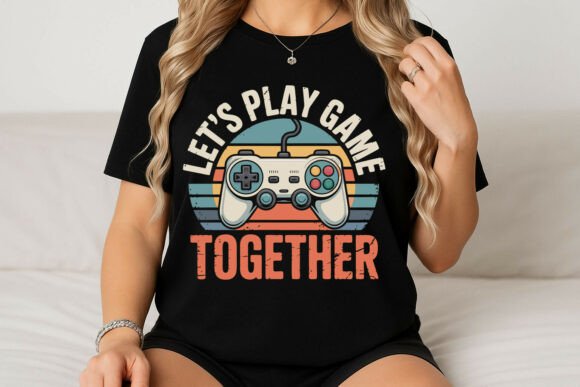
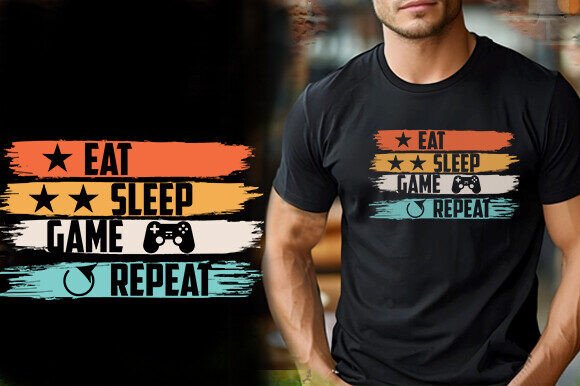
The immediate appeal of this design lies in its retro gaming aesthetic. The typography suggests a pixelated or blocky style that resonates deeply with the target audience of gamers. For an Etsy seller or small shop owner, recognizing the mood of a design is half the battle. This piece screams nostalgia and casual comfort. However, visual appeal on a monitor does not guarantee stitching success. The layout appears balanced, but the true test is in the density and the transition between letters. When I zoomed in, I looked for potential jump stitches or overly complex corners that might cause thread breaks during high-speed machine operation.
Real-World Application: The Custom Sweatshirt Test
To evaluate practicality, I simulated a common scenario for my boutique clients: a custom order for a teenager’s birthday gift. The request was for a cozy, oversized sweatshirt featuring their favorite hobby. I chose the EAT SLEEP GAME REPEAT TSHIRT DESIGN for this personalized gift. The challenge with sweatshirt embroidery is managing the pile of the fabric. If the stitch density is too low, the background fabric shows through, ruining the crispness of the text. If it is too high, the garment becomes stiff and uncomfortable.
In this case, the design’s bold lettering works in its favor. Thick, block-style letters generally handle the texture of fleece or French terry better than delicate scripts. I anticipated using a heavy cut-away stabilizer to support the weight of the thread and prevent puckering. The result, theoretically, would be a clean, professional look that adds perceived value to the handmade product. Customers often associate dense, well-covered stitching with higher quality, which can justify a higher price point for your small shop product.
Navigating Fabric and Hoop Constraints
While the design shines on heavier garments, caution is required when applying it to other materials. For instance, using this on a lightweight cotton tote bag design requires careful attention to thread colors and backing. A dark navy tote would need bright, contrasting threads to ensure readability, while a white canvas might require a satin border to define the edges against the weave. Furthermore, if you are considering this for an embroidered patch, you must check the dimensions. Small details in pixel art can get lost if scaled down too far for a 4x4 inch hoop.
Curved surfaces present another hurdle. Applying this to a cap or hat requires breaking the design into smaller sections or ensuring the center alignment is perfect to avoid distortion. The rigid nature of gaming fonts does not bend well around the crown of a baseball cap without significant warping. For baby embroidery projects, such as onesies, the size must be reduced significantly. Here, the risk is that the tiny pixels merge into a blob. I always recommend stitching a test run on scrap fabric of the same type before committing to the final finished product.
Commercial Viability and Brand Consistency
For those running a craft business, consistency is key. This design fits seamlessly into a broader collection of gaming-themed design assets. It pairs well with controller icons, pixel hearts, or retro joysticks. Using a cohesive style across your Etsy listings helps build brand recognition. When customers see a consistent aesthetic, they trust the professionalism of the seller. This particular graphic, with its clear message, serves as an excellent entry point for customers looking for custom apparel that speaks to their identity.
However, since this was sourced from a Freebies section, licensing is a critical consideration. Before selling any commercial embroidery items made with this file, you must verify the license terms. Some free graphics are for personal use only, while others allow limited commercial sales. Ignoring this can lead to legal issues that jeopardize your online store. Always read the fine print provided by the creator, especially when the description mentions platforms like Amazon, Etsy, and Redbubble.
Technical Notes for the Embroiderer
From a technical standpoint, here are my recommendations for working with this file:
- Check Stitch Types: Determine if the letters use fill stitch or satin stitch. Fill stitches provide better coverage on textured fabrics but take longer to sew. Satin stitches offer a shiny, premium look but can snag easily on loose weaves.
- Contrast is King: Create black and white mockups to ensure the design remains legible without color. This helps in selecting the right thread colors for difficult fabric backgrounds.
- Stabilizer Selection: Match the stabilizer to the fabric weight. Use tear-away for stable woven fabrics like towels and cut-away for stretchy knits like t-shirts and sweatshirts.
- Test on Scraps: Never skip the test stitch. Check for thread breaks, nesting, or registration issues where colors meet.
- Hoop Size Verification: Confirm the design fits your available hoop sizes. If it is too large for your standard hoop, you may need to split the design or invest in a larger frame.
Final Verdict for Makers and Sellers
The EAT SLEEP GAME REPEAT TSHIRT DESIGN is a solid addition to a gamer-focused portfolio. It captures the right mood and offers versatility across various holiday embroidery gifts, birthday presents, and everyday wear. Its strength lies in its bold simplicity, which translates well to the mechanical limitations of embroidery machines. However, success depends on the maker’s attention to detail regarding fabric choice, stabilization, and sizing.
For the digital embroidery file user, this represents a low-risk, high-reward asset if used correctly. It allows for quick turnaround times on custom apparel orders, which is vital for meeting demand during peak shopping seasons. By treating this free graphic with the same rigor as a paid premium design, you ensure that your printed mockup promises match the reality of the stitched item. Ultimately, it is a tool that, when wielded with skill, can enhance your product line and delight your customers.