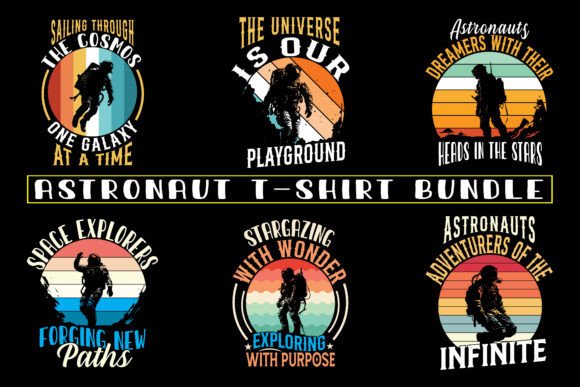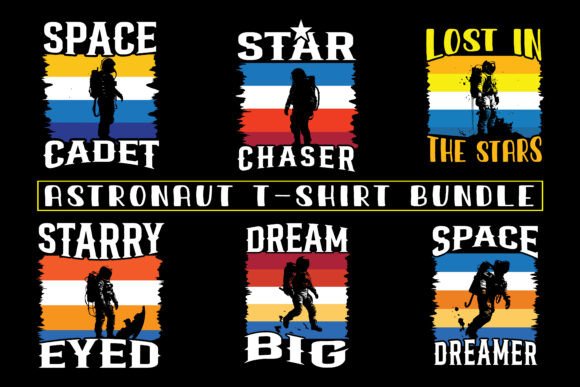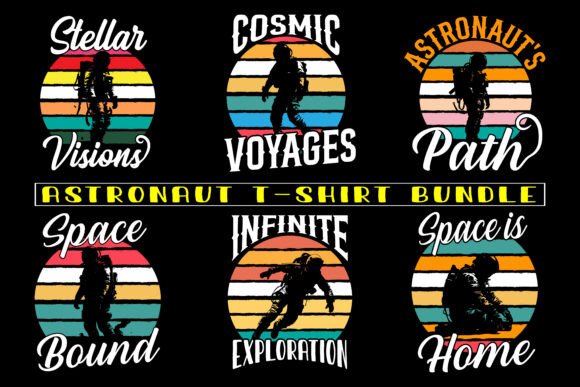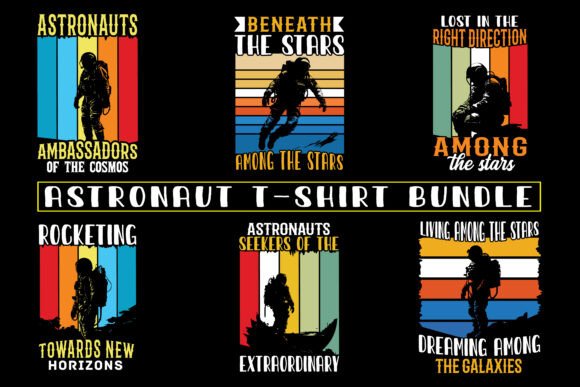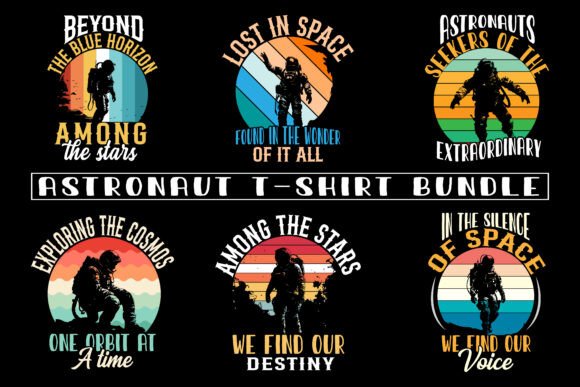
Space Mission Astronaut T-Shirts Graphics
As a brand designer who has spent years helping local businesses find their visual voice, I approach every new graphic design asset with a critical eye. It is not just about whether an illustration looks cute or cool; it is about whether it can carry the weight of a brand’s identity across packaging, digital ads, and physical products. Recently, I evaluated the Space Mission Astronaut T-Shirts collection for a potential client project, and the results were surprisingly versatile. This review breaks down how these assets perform in real-world small business branding scenarios, from boutique retail to handmade product lines.
First Impressions and Brand Personality
The immediate mood created by the Space Mission Astronaut T-Shirts graphics is one of playful exploration mixed with modern simplicity. The aesthetic leans heavily into a bold, friendly, and slightly whimsical vibe. For a local business, this suggests a brand personality that is approachable, innovative, and fun. It does not scream "luxury minimalist" or "corporate formal," but it perfectly fits brands that want to appear creative and energetic.
I initially tested these designs for a children’s educational toy store, but quickly realized their potential extended much further. A craft coffee shop launching a new "Galaxy Blend" could use these astronaut motifs on their bags to create a sense of adventure. Similarly, a handmade business selling star-themed jewelry or night-light projects would find these illustrations align perfectly with their product narrative. The key takeaway is that the design feels contemporary without being overly trendy, ensuring it remains relevant for seasonal campaigns and evergreen product label designs alike.
Versatility in Packaging and Print Applications
One of the most significant advantages of this collection is the file variety. With 6 EPS files, 6 SVG files, 6 PNG files with transparent backgrounds, and 6 JPG files, the asset is ready for both print and digital use. For packaging design, the vector formats (EPS and SVG) are invaluable. They allow for infinite scaling without loss of quality, which is crucial when printing large posters or tiny hang tags.
In my test project for a boutique candle brand, I used the SVG files to create custom stickers for jar lids. The clean lines held up beautifully even at small sizes. The PNG files, featuring no artboard border lines, were equally useful for creating layered social media graphics. I overlaid the astronaut graphics onto textured backgrounds to create depth for Instagram stories, demonstrating how flexible these design assets can be for marketing visuals.
For product mockup creation, the transparent PNGs saved hours of editing time. Instead of manually removing backgrounds, I could drag and drop the astronauts directly onto t-shirt templates, tote bag previews, and notebook covers. This efficiency is vital for creative entrepreneurs who need to produce high-volume content quickly.
Enhancing Visual Hierarchy and Customer Trust
A common mistake in small business branding is cluttering designs with too many elements. The Space Mission Astronaut T-Shirts graphics help establish a clear visual hierarchy. Because the illustrations are distinct and recognizable, they serve as excellent hero graphics. When placed strategically on a product label, they draw the eye immediately, allowing secondary text like ingredients or pricing to sit comfortably in the negative space.
This clarity builds customer trust. Professional-looking packaging design signals that a business cares about quality. By using polished clipart and illustration elements rather than low-resolution images, brands appear more established. Whether used on thank-you cards included in shipment boxes or as decorative accents on website banners, these assets contribute to a cohesive and professional branding strategy.
Strategic Placement and Cautionary Notes
While these graphics are versatile, they are not universal. They work best as focal points on product labels, packaging accents, and promotional banners. However, designers should use them carefully in certain contexts. For instance, avoid placing these busy illustrations behind dense text blocks, such as legal information areas or ingredient lists, as this reduces readability. They may also clash with ultra-luxury minimalist brands that rely on stark typography and monochrome palettes.
Additionally, when using these for editorial design or complex layouts, ensure the color palette of the astronaut graphics complements the brand’s primary colors. If your brand uses soft pastels, you may need to recolor the vectors to maintain harmony. Always test the design beside various font styles—serif, sans serif, script, and display fonts—to ensure the playful nature of the astronaut does not undermine the tone of your headline text.
Practical Designer Notes for Implementation
Before committing to a full rollout, I recommend several practical steps. First, test the graphics on real product mockup templates to see how they interact with different materials like matte paper, glossy labels, or fabric. Check the black and white usage to ensure the design remains identifiable without color, which is essential for cost-effective single-color printing.
Inspect the SVG editability if you plan to modify shapes or colors. While the provided files are robust, understanding how to manipulate nodes in vector software can unlock custom variations. Compare the final designs with competitor packaging to ensure your brand stands out. Finally, always confirm the commercial license terms. Since these are sold as digital product assets in a creative marketplace, ensuring you have the right to use them for client work or physical product sales is non-negotiable.
The Space Mission Astronaut T-Shirts collection is more than just a set of T-Shirt Designs; it is a flexible toolkit for modern brand identity development. Whether you are designing for a food business, a skincare brand, or a seasonal campaign, these Graphics offer the balance of charm and professionalism that today’s consumers expect. By integrating them thoughtfully into your web design, printable design materials, and physical packaging, you can create a memorable and engaging brand experience that resonates with your audience.